R.D.K holdings S.A
Powered by Blogger.
Showing posts with label arthritis in neck. Show all posts

How To Deal with Pain in Arthritis

How to deal with pain in arthritis
How to get no pain yet all gain…


Persons living with arthritis or a related condition often live with pain which is one of the hardest factors experienced with the disease.  In order to know how to combat the pain you must learn to manage the disease.  The first consideration to determine is which type of arthritis the patient has.  Knowing the particular arthritis will help to determine the patient’s treatment.  Before you begin to develop a treatment plan, you must understand some concepts regarding pain.


Not all pain is alike

Pain experienced by arthritis patients is not always the same.  There are many different types of pain just as there are many different types of arthritis and not all patients will respond the same to treatment.  It may be necessary to try several different treatments before finding one that works for the patient.

Why pain occurs…

Pain occurs because it is telling us that something is wrong.  When an injury is experienced, nerves in the area where the injury originated release chemical signals and other nerves transmit the signals to the brain.  Pain is a sign that something is wrong and you need to act.  For example, if you touch a hot plate, your brain immediately receives the signals and forces you to let go of the plate.  This form of pain is a protection that helps keep you safe.

Long-lasting pain, such as that experienced with conditions such as fibromyalgia or arthritis is a different type of pain.  While the pain is alerting the body that something is wrong, it is not as easy to relieve the pain.  This type of pain can be debilitating to the patient and must be managed to enhance the patient’s sense of well-being and quality of life.


What controls pain?

The brain and spinal cord includes a system of nerves in which pain signals travel through.  The body often tries to intercept these signals to stop them.  This is done by creating chemicals that interfere or block the signals.  These chemicals are termed endorphins, and are morphine-like substances, killing the pain and decreasing the pain sensation.

What causes pain in arthritis?
There are many factors that cause pain with arthritis which include:

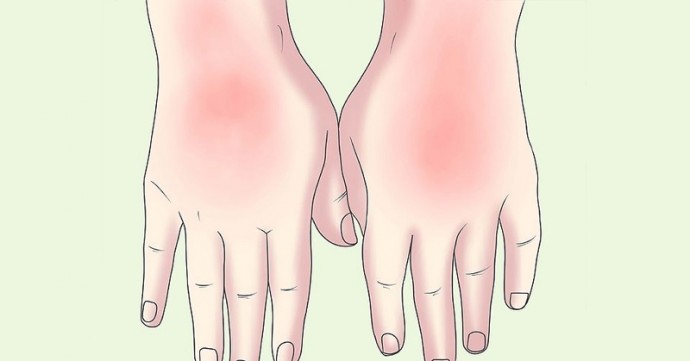
Inflammation: Is the process that is responsible for causing swelling and redness in the joints of the patient.

Injury to joint tissues: This is a result of pressure, injury, stress or the disease process on the joints of the patient.

Body fatigue: Is a result of the disease process, which can make the pain intensified and more difficult to handle.  

Mental depression or stress: Arthritis patients often have limited movement and are no longer able to enjoy various activities making depression a serious factor in the disease.  The patient can become wrapped up in a vicious circle of pain, stress, depression and a limited or loss of abilities making the management of pain more difficult. 

What increases the pain associated with arthritis?
  • Depression
  • Anxiety
  • Fatigue
  • Focusing on pain
  • Overdoing physical activity
  • Stress
  • Increased disease activity

What reduces the pain associated with arthritis?

  • Cold and heat treatments
  • Humor
  • Topical pain relievers
  • Distraction
  • Massage
  • Medications
  • Relaxation
  • Appropriate exercise
  • Positive attitude and pleasant thoughts

How to control arthritis pain at home

Thermotherapy (Temperature therapy)
Stiffness and pain of arthritis can be reduced by using heat and cold treatments.  Placing cold pack on the affected area will help to numb the area and to reduce the swelling and inflammation. Cold packs are particularly useful for joint pain due to a flare up.  With heat, muscles relax and stimulate the blood circulation.  Heating lamps and heating pads are forms of dry heat; where as, baths and heated wash cloths are forms of moist heat.  Both of which are useful.

Sleep therapy
When our bodies sleep, they are restoring energy.  With arthritis patients this helps to manage the pain.  Sleep therapy also helps to reduce the pressure on the joints and helps to decrease swelling and pain.  The average person needs seven to nine hours of sleep each night.  If you feel sleepy at various times throughout the day, take a brief nap.  If you have trouble sleeping through the night, then avoid the nap and relax quietly during the day.


Massage therapy
Massaging your muscles brings relief to the painful area.  Massage therapy can be done by yourself or a profession.  If you are massaging yourself then:


  • Stop if you begin to experience pain
  • Don’t massage joints that are extremely painful or swollen
  • Use oil or lotion to help the massaging technique

Relaxation therapy
Relaxation therapy does help to reverse the pain associated with arthritis and allows the patient to have a sense of well-being and control their life.  It is vital that the patient learn ways to control and calm the mind and body.  There are various methods that are used to help patients relax such as:

Hypnosis:  Hypnosis is a deep relaxation technique which is intended to help the patient release themselves from their anxieties and thoughts.  The technique is pleasant and soothing and effective in relieving pain.  
.

Guided imagery:  This technique utilizes pleasant images which the mind focuses on to help guide away from the pain. Prayer is very relaxing and comforting for some people.


Herbal therapy:
The herbal supplements works by removing the primary cause of the pain, which with arthritis inflammation and stiffness, and helps to ease the arthritis symptoms.


10 Steps To Reversing Rheumatoid Arthritis Inflammation And Other Autoimmune Diseases


I am often asked if there is a way to deal with autoimmune disease — the most common chronic disease – the most common question being “Is there any way to deal with this without taking powerful anti-inflammatory drugs that often have serious side effects?”

At their root, one central biochemical process connects these seemingly disparate diseases: A runaway immune response, called systemic inflammation, inevitably results in your body attacking its own tissues.
Your immune system’s job is to defend you against invaders or foreign microbes, toxins, or abnormal cells like cancer or foreign food proteins (allergens). Imagine your immune system as an army that must clearly distinguish friend from foe.
Autoimmunity occurs when your immune system gets confused and your own tissue gets caught in the crossfire. Your body is designed to fight off harmful things like infections, toxins, allergens, or a stress response. Sometimes and for reasons not fully known, that immune army directs its hostile attack on your joints, brain, skin, and sometimes your whole body.
Conventional medicine accepts this problem, but stops there, without LOOKING for what might be causing the body to be out of balance and attacking itself.
Instead, conventional medicine invents pharmaceutical drugs to inhibit, block, or anti-something, and fails to answer one simple question: Why is the body out of balance to begin with, and how do we help it regain the proper balance?

Isabel’s Story

Isabel, a cute 10-year-old girl from Texas who loved riding horses, walked into my office several years ago with one of the most severe cases of autoimmune disease I had ever seen. Her face and joints were swollen and her immune system was attacking her entire body including her muscles, skin, joints, blood vessels, liver, and white and red blood cells.
Isabel couldn’t squeeze her hand or make a fist. The tips of her fingers and toes were perpetually cold from Raynaud’s disease. She had been suffering from rashes that burned and irritated her skin for years. She felt tired and miserable and was losing her hair.
Isabel was on elephantine doses of intravenous steroids every three weeks just to keep her alive, and she was taking prednisone, aspirin, acid blockers, and methotrexate, a chemotherapy drug used to shut down the immune system daily.
Despite these mega-doses of medication, she still wasn’t getting any better, and her lab tests were still abnormal.
Her doctors wanted to add another powerful immune suppressing drug (a TNF alpha blocker) to the regimen of medication she was already taking. This drug increases the risk of cancer and death from overwhelming infection, because it prevents the immune system from fighting infections normally. The inflammation slows down, thus the autoimmune symptoms may abate, but at a cost: Increased risk for cancer and infection.
Disturbed by these possibilities and disgusted with conventional approaches that weren’t working, her parents brought her to see me.
Two months after I first saw Isabel, when I discovered and then treated the underlying causes of her inflammation — after, as she says, she “stopped eating gluten, dairy, and sugar and took some supplements” – she was symptom free. In less than a year, she was completely healthy, her blood tests were normal, and she was off all her medication.

A Functional Medicine Perspective to Autoimmune Disease

Isabel’s story is a perfect example of the power of Functional Medicine, which provides a map to find the root cause of inflammation, which underlies autoimmune disease.
Functional Medicine asks why that inflammation exists. When we identify the underlying sources, we can heal the body. Those causes include stress, hidden infections, food allergies or sensitivities,toxic exposure, genetic predisposition, nutrient deficiencies, and leaky gut.
In fact, there are just five root causes of all disease:
  1. Allergens
  2. Microbes or imbalance of the bugs in your gut
  3. Toxins
  4. Poor diet
  5. Stress
All of these can trigger symptoms and create thousands of diseases, including autoimmune diseases.
If you want to cool off inflammation in the body, you must find the source.  Physicians are mostly taught to diagnose disease by symptoms, NOT by their underlying cause.
Functional Medicine approaches diagnosing and treating disease differently. It focuses on causes not symptoms, one that is based on an understanding of the dynamic way our genes interact with environment, one that goes beyond simply treating diseases based on their label.
Functional Medicine teaches practitioners to understand the body as a system; to seek the causes of illness; to understand the body’s basic functional systems, where they go awry, and how to restore balance; to understand the interconnections between symptoms and organs rather than segregate diseases into specialties.
This approach provides a fundamentally different way of solving medical problems, one that allows us to decipher the origins of illness and identify the disturbances in biology that lead to symptoms. And that leads me back to Isabel’s story.

From Conventional Illness to Functional Health

For Isabel, the only response physicians had to her life-threatening illness was to shut down her immune system, leaving her at risk for cancer, infection, osteoporosis, muscle wasting, and psychiatric illness. But there was another way.
I simply asked the question “WHY?” I didn’t focus on WHAT the name of her disease was, but WHY she was inflamed, WHERE this inflammation originated from, and HOW we could locate the causes and restore balance to her overactive immune system that was attacking her own body?
The immune system usually responds to some insult such as an allergen, a microbe, or a toxin, and then runs out of control. Finding and removing that trigger is essential.
In a review in the New England Journal of Medicine, researchers acknowledged that “even in a genetically predisposed person, some trigger, an environmental exposure, or change in the internal environment – is usually required for [autoimmunity].”
When I initially talked to Isabel, I discovered many potential triggers for her inflammation. She was being exposed to a toxic mold, Stachybotrys, in her house. Her mother worked in limestone pits exposing her to excessive amounts of fluoride while pregnant. Isabel had all her immunizations before 1999 when thimerosal was removed from vaccines. She also had a thimerosal-containing flu shot every year.
Thimerosal contains mercury, a known immune toxin. This problem became compounded by her diet, which included large amounts of tuna and sushi she loved and ate regularly (and which exposed her to even more mercury), and loads of dairy and sugar. In the year before she got sick, she also had many courses of antibiotics.
Isabel’s lab tests were frightening. Her muscle enzymes and liver function tests showed severe damage. She had many autoimmune antibodies (anti-nuclear antibodies, rheumatoid factor, anti-SSA, anti-DNA, anti-RNP, lupus anticoagulant), a sign that the levels at which the body was attacking itself were extremely elevated.
Other markers of inflammation were extremely high as well. Her white blood count and red blood cell count were low. Her vitamin D was also low. She had elevated levels of antibodies to gluten, which is a common cause of autoimmune disease and triggers significant intestinal inflammation. And her mercury level was extremely high in her urine after a provocation test (the only way to assess total body burden of metals). Normal is less than three. Hers was 33.
At the first visit, I simply put Isabel on an anti-inflammatory elimination diet to remove possible triggers of inflammation from food allergens. She stopped eating sugar, dairy, and gluten (from wheat). I gave her a multivitamin; vitamins D, B12, and B9 (folate); fish oil; and evening primrose oil all of which are anti-inflammatory.
I also gave her nystatin (a non-absorbed anti-fungal) to treat suspected yeastovergrowth due to the multiple courses of antibiotics. I gave her N-acetyl cysteine (NAC) to support her liver, and told her parents to take her off of the acid blocker, the calcium channel blocker that she used for her Raynaud’s, and the intravenous steroids she had been taking.
Two months later, at her second visit, Isabel reported the rash was totally gone. She had no joint pain and her hair was growing back. Her autoimmune markers had dramatically improved. Her muscle enzymes, liver function, and level of inflammation were all normal.
I added probiotics to support healthy digestive function and reduce gut inflammation. I also started her on DMSA (a chelating agent) to help bind the mercury from her tissues and cells and help her excrete it. To help her get off the prednisone, I gave her herbs to support her adrenal gland function.
Seven months later, her tests were normal, including her white blood count. Her mercury came down from 33 to 16. After 11 months, her mercury was down to 11 and her gut inflammation was gone. She was off all her medications and feeling happy, normal, and was able to ride and show her horse again.
Isabel’s experience is not rare, and I take a similar approach (though not always as comprehensive) with autoimmune disease. Considering these and other amazing results, wouldn’t you say Functional Medicine should be expanded and made available to more patients? Shouldn’t we see more case studies and success stories like Isabel’s?

10 Steps to Reverse Autoimmune Disease

Functional Medicine removes the bad stuff, but it also replenishes with good stuff. What are the ingredients for great health? They include fresh food, light, air, water, movement, love, sleep, connection, balanced hormones, meaning, love, and purpose.
If you have an autoimmune disease, I encourage you to work with a Functional Medicine practitioner. These are among the strategies I take to reverse RA and other autoimmune diseases:
  1. Get tested for hidden infections.Work with your doctor to check for hidden infections like yeast, viruses, bacteria, and Lyme or other tick borne illnesses.
  2. Try The Blood Sugar Solution 10-Day Detox Diet. My plan is designed to eliminate most food allergens and reduce inflammatory foods.
  3. Get tested for celiac disease. This is a blood test any doctor can do.
  4. Get checked for heavy metal toxicity. Mercury and other metals can cause autoimmunity.
  5. Fix your gut. Leaky gut and other gut issues such as overgrowth of bad bugs (yeast, bacteria, and parasites) fuel the flames of inflammation, exacerbating autoimmune diseases. Functional Medicine practitioners can test your stool and employ the 5R program (remove, replace, re-inoculate, repair and renew)
  6. Use anti-inflammatory nutrients. Great anti-inflammatory nutrients that help calm your immune system include fish oil, vitamin C, vitamin D, and probiotics. You can find them all on my online store.
  7. Try anti-inflammatory herbs. Curcumin, Boswellia extract, ginger, etc. can work well. I often use Zyflamend, also known as Inflamasyn with my patients.
  8. Exercise regularly. Regular, consistent exercise is a natural anti-inflammatory. Click here to find a simple, effective plan no matter what your fitness level is.
  9. Practice deep relaxation. Stress worsens the immune response. Relaxation for you might includeyoga, deep breathing, biofeedback, or massage. You might also try my UltraCalm CD.
  10. Get 8 hours’ sleep every night.You can get 19 of my top sleep tips here.
Even though autoimmune diseases now affect over 80 million people, conventional strategies like powerful immune-suppressing medication fail to address the underlying cause. That’s like taking a lot of aspirin while you are standing on a tack. The treatment is not to take more aspirin or a strong immune suppressant; it is to remove the tack.
In conventional medicine, most of us were taught to diagnose disease by symptoms, NOT by their underlying cause.
No matter what autoimmune disease you struggle with – and remember, they are just labels – I encourage you to dig deeper and address underlying causes. Again, I strongly encourage working with a Functional Medicine practitioner. To provide a richer arsenal of techniques to heal, I also strongly recommend my ebook The 10-Day Detox Autoimmune Solution.
If you’ve ever struggled with rheumatoid arthritis or another autoimmune disease, did you take the conventional medicine route or work with a Functional Medicine practitioner who helped you dig deeper regarding the underlying source? I would love to hear your story below or on my Facebook page.
Wishing you health and happiness,
Mark, Hyman, MD
References
Mackay, I. and Rosen, F. 2001. Autoimmune diseases. New Engl J Med.345(5): 340–350.
This article was republished with permission from drhyman.com.

Image Source:

New Fixes for Worn Knees

Scientists test implanting an artificial meniscus or inducing the body to grow a new one

Scientists have created artificial replacements for arms, legs, joints and other body parts. But developing an artificial meniscus—the shock-absorbing cartilage pad in the knee that millions of people damage every year—has eluded modern medicine.

Researchers are now tantalizingly close to achieving that goal, a step that could help stave off more serious problems, including arthritis and knee-replacement surgery, in later years.
Drake Ross, a 54-year-old bank examiner in Columbus, Ohio, this year became the first American to have a synthetic meniscus, called NUsurface, implanted in his knee as part of a clinical trial.
And scientists from New York’s Cornell and Columbia universities have successfully tested in sheep a method of growing a new meniscus inside the knee joint using a 3-D printer and the body’s own stem cells. They hope to begin testing the technique in people soon.

Either method would be a “game changer—no question,” saysNicholas DiNubile, a knee specialist in Havertown, Pa., and a spokesman for the American Academy of Orthopaedic Surgeons. “But it’s a tall order. You’re trying to replace Mother Nature here. We’ve been burned before.”
 Veterinarian Dr. Lisa Ann Fortier, left, and technician Shannon Walsh check on a sheep and change a bandage one week after it underwent meniscus surgery at the Cornell University College of Veterinary Medicine in Ithaca, N.Y. The sheep are being used to test an implant that grows a new meniscus in the knee joint. ENLARGE
Veterinarian Dr. Lisa Ann Fortier, left, and technician Shannon Walsh check on a sheep and change a bandage one week after it underwent meniscus surgery at the Cornell University College of Veterinary Medicine in Ithaca, N.Y. The sheep are being used to test an implant that grows a new meniscus in the knee joint. PHOTO: MARGARET GOODALE

There is plenty of demand for replacement menisci. The crescent-shaped pads (there are two in each knee) that separate the thigh and shin bones act as shock absorbers and stabilizers as people walk, run, pivot and bend. But they are highly vulnerable to tearing, particularly by athletes who jump, twist and stop suddenly.

The rubbery cartilage also wears down and tears easily as people age or carry excess weight. More than four million Americans visited physicians for meniscus tears in 2009, the latest numbers available, twice as many as in 2000, according to the AAOS.
Many meniscus tears are minor and go unnoticed, studies show. Others cause pain, stiffness and swelling, and fragments may catch or slip as the knee moves and can tear further. Tears that occur near the outer edge can be sutured but the inside of the meniscus has no blood supply so repairs there seldom heal. Instead, doctors cut away the ragged portion and smooth the remainder. Nearly one million such surgeries are performed each year.
A partial meniscectomy, as it is called, can alleviate pain, but it puts patients at high risk for arthritis. That is because where the meniscus is missing, the cartilage covering the ends of the leg bones rubs together and frays. Eventually that may leave bone rubbing against bone, which often requires a knee replacement. More than 700,000 Americans undergo a knee replacement each year. That is expected to grow to 3.5 million by 2030 as the population ages, according to the AAOS.
ENLARGE
Young athletes who have meniscus surgery in their teens and develop arthritis in their 20s are especially in need of new options. Artificial joints typically last only 15 years to 20 years, and a second knee-replacement surgery is far more arduous. Patients with a severely damaged meniscus may be eligible for a transplant from a cadaver. But the supply is limited, and there is risk of infection.
Researchers have tried for decades to come up with substitute materials that are as durable and flexible as a natural meniscus, and safe inside the body. Variants of Teflon, Dacron, nylon, silk and a variety of polyesters have all been tried, mostly in rabbits. But many shifted in place or haven’t been able to pass a key test: protecting the cartilage on the ends of the bones from further damage.
The NUsurface implant, made of medical-grade polymers, is the first synthetic substitute meniscus to progress to human trials. It is inserted with a small incision, and early studies show it progressively takes the shape of the patient’s knee contour. To date, it has been used in about 150 patients, mostly in Europe and Israel, according to the manufacturer, Active Implants Inc., of Memphis, Tenn.
The clinical trial in the U.S. aims to enroll at least 64 patients at seven medical centers, with half the participants receiving the implant and the rest receiving standard, nonsurgical treatment such as physical therapy and anti-inflammatory medication.

Despite the long recovery, Mr. Ross says he would have the implant surgery again. “Absolutely. Down the road, I know my left knee will wear much better than the right one,” he says.Mr. Ross, who was featured on local TV newscasts after receiving the implant, is an avid runner and martial-arts enthusiast. He was still in pain after having meniscus surgery on both knees in 2013. In January, he had a tear in his right knee repaired again and received the NUsurface implant in the left. He says the right knee healed faster than the left knee, which was swollen for days. He had physical therapy four days a week for three months and is now back to many of his activities. He hopes to be cleared to resume running and martial arts soon.
Christopher Kaeding, the orthopedic surgeon at Ohio State University Wexner Medical Center who performed the surgery on Mr. Ross, say many of his patients would like to try the implant but their arthritis is too advanced for a good connection to form. Instead, it is aimed at preventing arthritis from setting in. “Hopefully it will fill a gap in our treatment spectrum,” Dr. Kaeding says.
Even if NUsurface wins Food and Drug Administration approval, it isn’t clear how long the implant will last. So far, the longest it has been in place is seven years. “If we get to a decade, we’ll be thrilled,” says Henry Klyce, chief executive of Active Implants. The company hasn’t decided how it will price the product.
The research under way at Cornell and Columbia takes a different approach—coaxing the body’s own stem cells to regenerate a natural meniscus.
Researchers at Columbia and Cornell have grown a new meniscus inside the knee joints of sheep in clinical trials. A 3-D printer creates a scaffold replica of the meniscus, which is implanted in the sheep. In half the sheep, the scaffold is infused with growth-factor proteins that attract natural stem cells that regrow the meniscus as the scaffold disintegrates, right. A control group of sheep didn’t have the growth proteins and formed less meniscus tissue, left. ENLARGE
Researchers at Columbia and Cornell have grown a new meniscus inside the knee joints of sheep in clinical trials. A 3-D printer creates a scaffold replica of the meniscus, which is implanted in the sheep. In half the sheep, the scaffold is infused with growth-factor proteins that attract natural stem cells that regrow the meniscus as the scaffold disintegrates, right. A control group of sheep didn’t have the growth proteins and formed less meniscus tissue, left. PHOTO: LAB OF DR. JEREMY MAO/COLUMBIA UNIVERSITY

The process starts with an MRI of the patient’s undamaged knee to measure the meniscus size and shape. The data is sent to a 3-D printer, which creates a precise replica of the meniscus out of biodegradable material like that used in surgical stitches. Researchers then infuse that scaffolding with two kinds of growth-factor proteins that attract stem cells once the device is implanted in the knee.
The precise order of growth proteins is critical to coaxing the stem cells to regrow a working meniscus, rather than scar tissue, as the scaffold is resorbed, says Jeremy Mao, director of tissue engineering at Columbia and lead researcher on the project.
Tests on the first group of sheep, which have knee joints similar to those in people, found that after three months the implant had structural and mechanical properties similar to a natural meniscus. The research was published in the journal Science Translational Medicine in December.
“We’re cautiously optimistic,” says Scott Rodeo, an orthopedic surgeon from the Hospital for Special Surgery in New York, who performed the sheep surgery. “Based on our preliminary analysis, this does support tissue formation.”
Researchers are now evaluating data from a second group of sheep, after six months with the regrown menisci. A third group was operated on in April, and will be assessed after one year. Dr. Mao is seeking funding to try the technique in humans as well.
Other meniscus replacement methods are in use in Europe, and researchers in the U.S. are experimenting with other scaffolding materials.
“The chances are, in the next two years, there will be multiple new approaches,” says Dr. Mao. “There’s no question the patients are out there.”

source:wsj.com

Young Women Suffering from Arthritis at a Greater Risk of Broken Bones


According to a recent study, women with rheumatoid arthritis are more prone to bone breakage when compared to those not suffering from the disease. While it is known that rheumatoid arthritis increases the risk of fractures among older individuals, the study shows that the risk prevails among women below the age of 50 as well. To prevent this, it is important for young women to take preventive measures. These include not smoking, consuming adequate amounts of vitamin D and calcium, and being physically active.

The study

The study led by Shreyasee Amin, an MD and associate professor of rheumatology in Minneapolis at the Mayo Clinic, showed that women with the condition faced double the risk of fractures compared to women without it.

According to Joanne Jordan, MD, MPH and director of Thurston Arthritis Research Center at the University of North Carolina at Chapel Hill, the study is very important. She opines that when young women are diagnosed with the condition, they are pre occupied with controlling the symptoms and fractures are often neglected. She further points out that steroids, although an effective treatment, increase the risk of fractures.

Around 1.5 million people in America suffer from rheumatoid arthritis. People in their 20's and some even younger are seen to develop the condition, although it is typically associated with middle aged and older individuals. Rheumatoid arthritis occurs when your immune system attacks the body's own tissues and causes inflammation. This leads to pain, stiffness and permanent joint damage. 

The findings of the study were presented at the annual gathering of the American College of Rheumatology. The medical records of 1,171 people, who were diagnosed with rheumatoid arthritis between 1995 and 2007, were analyzed in the course of the study. About one-third of these were men. Their fracture rates were then matched to a similar number of women and men not suffering from the condition. 308 women and 110 men with arthritis were below 50 years of age. All of them were observed for about 9 years on an average.

The findings

  • Women suffering from arthritis were at a 63 percent higher risk of getting a fracture than women not suffering from the condition.

  • Women above the age of 50 with arthritis were at 43 percent higher risk of fractures than those not suffering from the condition.

  • Men suffering from the condition were at a 40 percent greater risk of fracture than men not suffering from it.

  • Men above the age of 50 were at 34 percent more risk of fracture than men without arthritis.

What puts younger women with arthritis at a higher risk of getting fractures?


This could be attributed to the use of steroids or even the condition itself. Amin states that the inflammation caused by arthritis affects bone cells and leads to bone loss. It could also be linked to the reduced physical activity in women with arthritis and the increased tendency to fall. But none of these factors can be singled out. Most probably all the factors play some contributing role.